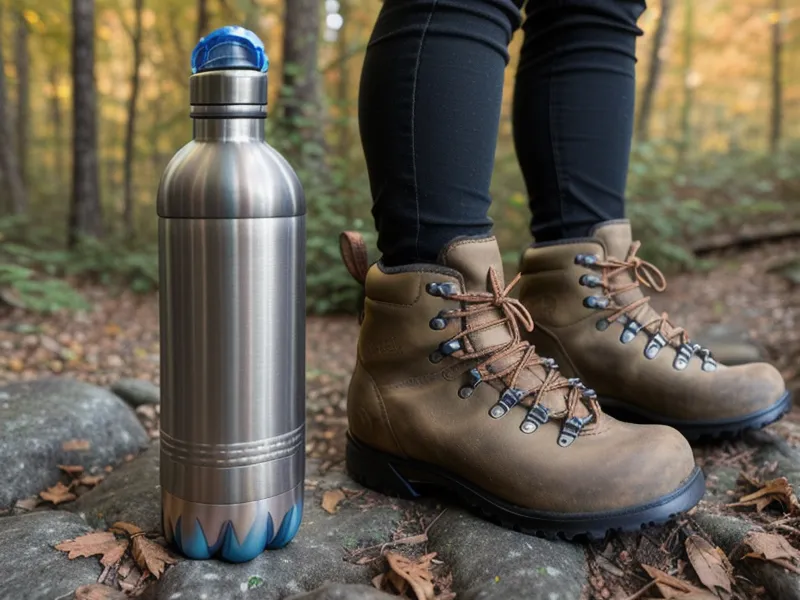
A twenty-something trail runner can do in twenty minutes what takes me forty now — and for two decades, I was the twenty-minute version of myself. That's the part of hiking after 50 nobody warns you about: you don't stop, you just start doing math before every climb. I'm fifty-four, an office manager who's spent every free Saturday for twenty years on some trail or another, and this spring my hips started sending memos my knees had been drafting for months. Active aging, joint health, mobility supplements — I'd read all the phrases in a dozen headlines, and none of them prepared me for standing at the edge of the reservation in Middlesex Fells, adjusting a Velcro knee brace like a neon sign flashing OLD.
Quick heads-up before we go further: some of the links below are affiliate links, and if you buy through them I earn a small commission at no extra cost to you. I only mention gear and mobility supplements that actually earned a place in my own pack, because I've wasted plenty of money on things that didn't. Around this time last year, that meant admitting the glucosamine tablets everyone recommended weren't touching the specific ache in my hip, and going looking for something else entirely.
The Year I Tried to Out-Stubborn My Hips
Before I adapted anything, I spent about six months just furious. I called it my personal Year of Denial — I figured if I kept my usual pace, my hips would eventually remember they used to be agile. That theory fell apart on a warm afternoon when my right hip simply locked up a mile from the parking lot, and I ended up limping the rest of the way out on a fallen branch I'd grabbed like a cane. Humbling doesn't quite cover it.
The trail wasn't even the worst of it. Some days the reminder showed up at my desk — I'd stand up at the end of a shift and hear this sharp pop in my hip, loud enough that a coworker once asked if I'd dropped something on the floor. Nope. Just my hip, clocking in as the office alarm system.
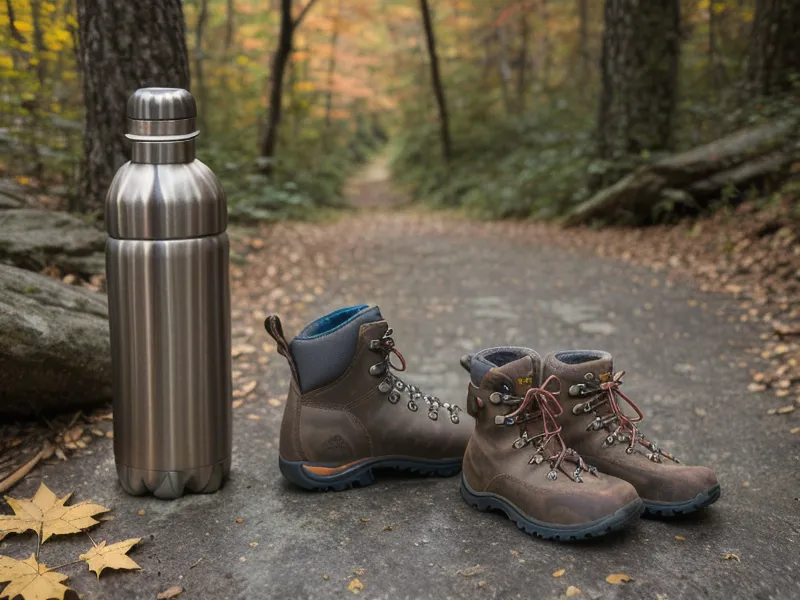
After that hip-locking afternoon, I spent another six months moping around, half convinced my hiking days were quietly over. I'm not a doctor and I've never claimed to be one — but I knew I couldn't keep training like I was twenty-five. If a trail you used to walk without thinking has started to feel like your own personal Everest, you already know exactly the feeling I'm describing.
What Does Joint Health Actually Need After 50?
During a stretch of icy weekends when the trails weren't worth the risk anyway, I started reading about what's actually going on in an aging joint. I'd always pictured it like tire tread — wearing thin until there's nothing left. That's not quite it, from what I gathered. The fluid that's supposed to keep everything gliding just doesn't replenish itself as generously once you hit your fifties, so the cushioning that used to be automatic isn't anymore.
The word for that fluid is synovial fluid, if you want to look it up yourself — I won't pretend to understand the biochemistry, just that mine apparently needed backup.
Sitting at a desk five days a week and then asking my hips to climb for three hours on a Saturday was never a fair trade to begin with — that mismatch between desk life and trail life is really its own topic, and not one I can do justice to here. I did add one stretch to my evening routine that seems to wake up the front of my hip before I even swing my legs out of bed the next morning. I can't explain why it works. It just does, most days.
Here is the thing — pushing through joint pain is what half the fitness world tells you to do, and for a lot of us that's exactly backwards. If you've got ongoing inflammation or something diagnosed like arthritis, pushing through can do real damage, and I believe the people who say so. Talk to your own doctor before you change anything major about your routine. For me, the takeaway ended up smaller: stop trying to out-muscle a lubrication problem, and start supporting it instead.
Swapping Boots, Adding Poles, Rewriting the Rules
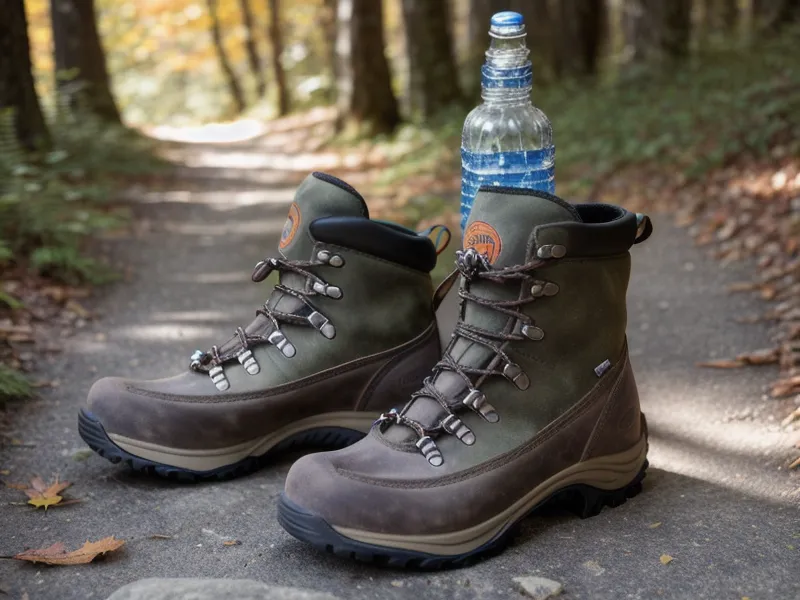
By early spring I'd overhauled almost everything about how I geared up. The leather boots I'd sworn by for a decade went into the donation pile — they felt like ankle weights next to what I switched to, a pair of lightweight, heavily cushioned trail runners. It felt like some kind of betrayal of my serious-hiker identity. My knees didn't care about my identity; they just felt better. One thing worth knowing about shoes like that: the cushioning underfoot goes flat with mileage long before the shoe looks worn out, and catching that moment is its own small skill I'm still learning.
I also finally stopped treating trekking poles like something only "real" old people carry. They take a meaningful amount of weight off your knees on the downhills — how much, and why, is a longer conversation I've had elsewhere — but the short version is that my knees noticed within the first mile.
By the time I got home from a good Saturday, my new shoes had picked up that damp, earthy smell of pine duff, and it was still there clinging to them on the back-door mat the next morning when I laced up again.
A friend down the street gave up trails for golf a few years back and swears his knees have never been happier. I get the appeal on the mornings my hip is loud, but I'm not there yet.
Why Didn't Glucosamine Fix My Hip?
I tried the standard glucosamine route first, same as most people my age. It didn't touch the sharp pop in my hip or the stiffness that lingered into the afternoon — not for me, anyway, though I know it works for some people. So I went looking for something that specifically addressed that fluid issue instead of just throwing cartilage-building blocks at the problem, and that's how I landed on Joint Genesis. One capsule with my morning coffee, nothing complicated about the routine.
Somewhere around week ten of sticking with the new shoes, the poles, and that one capsule every morning, I climbed out of my car after a Saturday hike and just stood up. No gripping the door frame. No easing myself upright in stages the way I'd quietly started doing without ever deciding to. I only noticed the shuffle was gone once I was halfway up the driveway, which tells you how automatic it had become. I still wasn't twenty-two. But the stiffness stopped camping out until noon, and that's not nothing.
Middlesex Fells, Revisited
Not long ago I went back to a climb in Middlesex Fells that used to be my easy warm-up — a short, steep push that opens onto a clear view back toward the city. In my thirties I powered up it in twenty minutes flat. This time it took forty, with two stops to adjust my poles and drink some water. A pack of younger hikers passed me on the way up, and that old voice in my head started in again: I don't need your speed, I just need your knees.
But I got to the top. The air was sharp, the skyline was doing its thing in the distance, and my hip hadn't popped once the entire way up. Adapting isn't the same as losing — it's the strategy that's kept me on trails while plenty of people my age have quietly settled for the couch. I probably won't finish all 48 peaks of the White Mountains the way I once pictured. I'm still out here, though, and some Saturdays that has to be enough. If any of this sounds familiar, here's more on the gear that actually stayed in my pack once I stopped pretending nothing had changed.
What's In My Pack Now
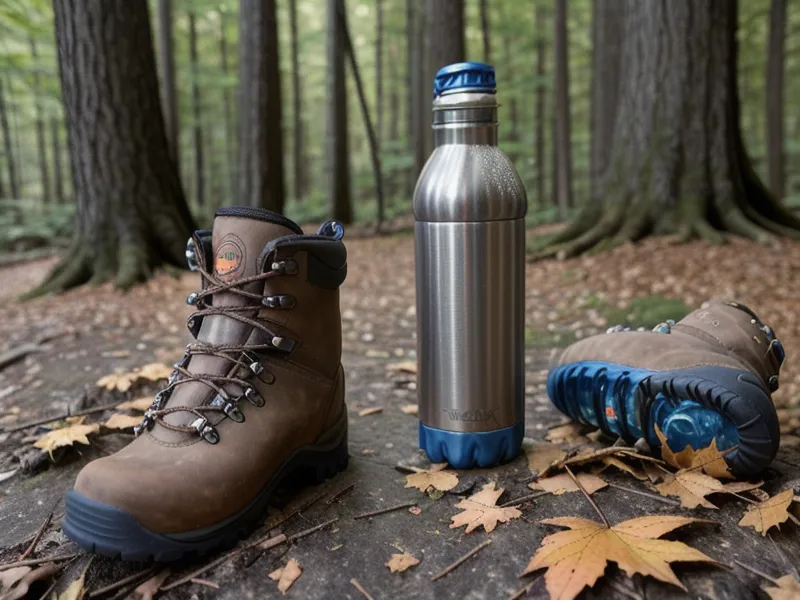
If you're looking for something to support your joints so you can keep moving, Joint Genesis is the one I keep reordering — it's aimed at that fluid and lubrication issue rather than just masking the ache afterward, it skips the common allergens that trip some people up, and the trial window is long enough to actually judge it across a full hiking season instead of guessing after two weeks. If you'd rather stick with the classic glucosamine-and-chondroitin combination and it's worked for you before, JointVive is a solid, well-established option, though it does mean more capsules with breakfast than I wanted to deal with. And if you'd rather skip supplements completely and just build strength around the joint itself, the Ageless Knees program is a no-pill way to do that from home, though it's knee-specific and won't do much for a cranky hip.
Look, aging happens whether we sign up for it or not — that part was never in question. What I've landed on, after all the denial and moping and gear swaps, is one plain rule I'd hand to anyone standing at a trailhead feeling exactly like I did that day: change one thing at a time, give it real weeks before you judge it, and let the trail tell you if it worked instead of your ego. I'm choosing the shorter climbs, the lighter shoes, and the supplement that actually did something. As long as I can still get to a trailhead, I'm winning. See you out there — I'll be the one with the trekking poles, taking the hill one step at a time.