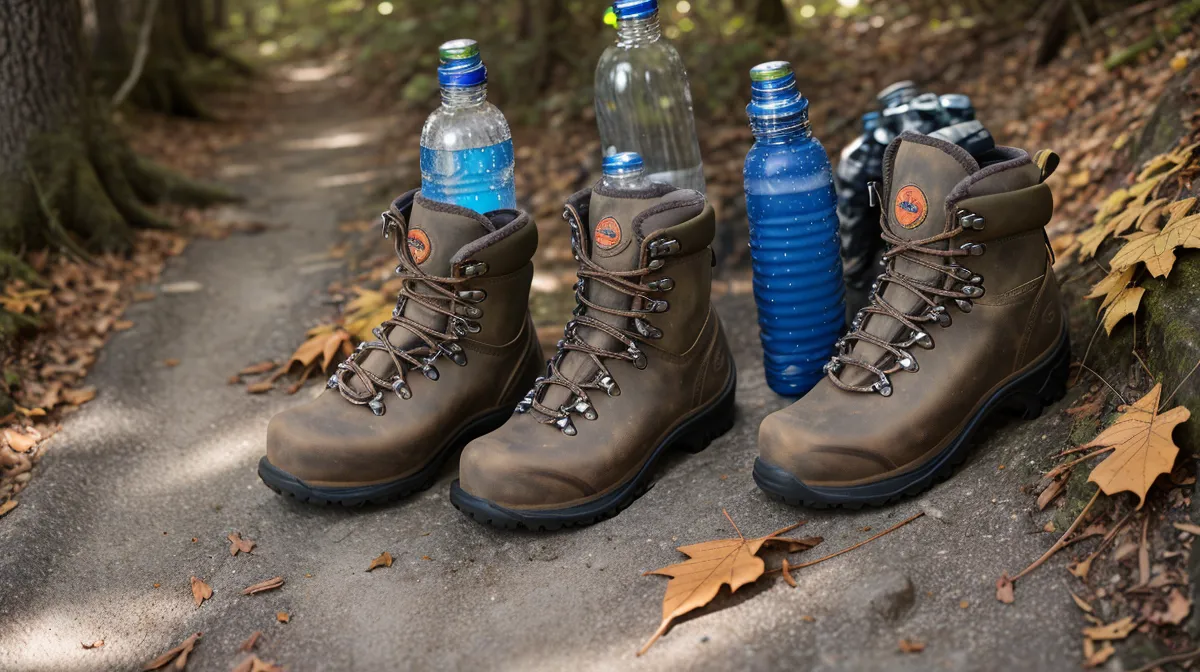
My trekking pole catches on a root at Borderland State Park, and I don't stop to check my knee before taking the next step. That's the whole shift, really. Not a fix, just enough joint health groundwork that a root stops being a small emergency. Twenty years of hiking taught me plenty about trails. The last two taught me more about hiking gear, mobility after 50, and which parts of my routine were actually doing something versus just making me feel productive.
Before I get into any of it — this post includes affiliate links. Buy through one and I earn a small commission, at no extra cost to you. Everything mentioned here has spent real time in my pack or my cabinet; I'm not listing anything I haven't actually used on a weekend trek.
The Trail-Or-Couch Decision Nobody Warns You About
Active aging sounds tidy on a brochure. In practice it was six months of being furious that my knees had opinions now, followed by six more months of figuring out what to do about it instead of sitting on the couch and stewing. The stiffer I got from not moving, the less I wanted to move — a loop that had nothing logical about it.
I spent weeks rolling a foam cylinder into my hip flexor most nights, waiting for that thick, spreading ache to let go into something looser. It felt like progress in the moment. It changed almost nothing about how my knees handled a downhill switchback the next weekend. Somewhere in that same stretch, though, a Monday went by where my hip had nothing to say about getting up from my chair at the office — no protest, nothing to brace for.
Pills Versus Exercises: Which One Works
Here's where the theory gets simple, on purpose. Most joint supplements lean on the idea of synovial fluid — the joint's own natural lubrication, a topic the article dedicated to it covers in more depth than I will here. What matters for this list is simpler: do you want something you swallow once a day, or something you do?
If a daily capsule fits your life better than a program does, that's Joint Genesis [My Daily Pick] territory — one capsule, once a day, backed by a guarantee generous enough to test through a full hiking season before deciding it isn't for you. It's not instant relief. Give it at least a couple of months before judging it, since that's roughly the window where people report actually noticing a difference.
Skip the pill entirely and Ageless Knees [No-Pill Option] hands you a set of home exercises built specifically around knee mobility instead, with no bottle to keep track of. It only really addresses the knees — hips and shoulders are on their own — but as a first thing to try before committing to a daily habit, it's a reasonable starting point. Run anything new past your own doctor first, especially if a joint condition is already part of the picture.
Gear And Technique That Actually Redistribute The Load
Supplements aside, most of what protects a bad knee on a trail is mechanical. Preventing knee pain when hiking downhill matters more than anything you do on the way up — descents take the worst of the impact, and where you place your foot decides more than any capsule will.
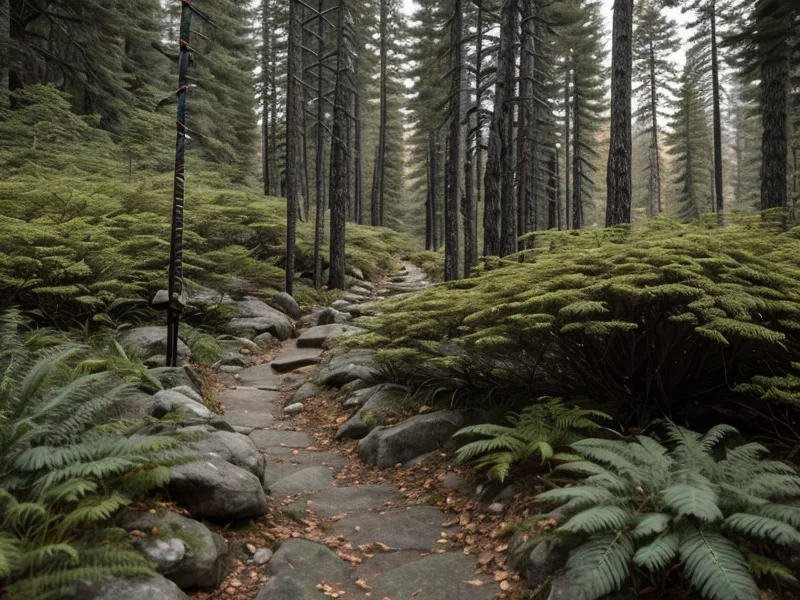
Trekking poles earned a permanent spot in my pack for the same reason. I finally gave in and accepted that trekking poles are a non-negotiable once you understand what they're actually doing — pulling load off the knee with every plant of the tip, a mechanism the article linked there breaks down properly.
Shoes matter just as much. The foam in a midsole quietly breaks down long before the tread looks worn, which is its own rabbit hole I'll leave alone for now. On days I know will be long, I keep JointVive [Classic Approach] in the cabinet — glucosamine and chondroitin, paired with turmeric, the old-school combination that's been around longer than most of what's on the shelf now. It means more capsules to track, and it's not an option if you have a shellfish allergy, but as an occasional backup on top of a daily routine, it's held up for me.
What Changes When The Knee Isn't Original Anymore?
A friend of mine went through a full knee replacement a while back, and hiking together looks different now. Before she trusted a trail again, she spent months rebuilding confidence hitting tennis balls against a backboard — steadier footing, no roots to catch a new joint off guard. Shifting to better joint support matters even more for her than it does for me; hardware doesn't forgive a bad step the way an original knee sometimes does.
Balance training, not lubrication, is her whole focus now. She can't muscle through a hike the way she used to — every step gets planned instead of just taken. It's a different kind of hiking. She's still out there, which is the part that matters.
The Hiking Gear I Actually Carry Now
Sitting at a desk most of the week undoes a lot of what a weekend on the trail builds back — that particular problem has its own article on this site, so I won't repeat the case for it here. What I will say is that a few minutes with a stretch tool that targets the front of the hip in a very specific way has done more for my first mile than anything else in the pack; the why belongs to the piece written specifically about it.
None of this replaces an actual medical opinion, and I wouldn't pretend otherwise — especially if you're managing something more serious than general stiffness. When in doubt, your own doctor gets the final say, not a blog written by a hiker with strong opinions.
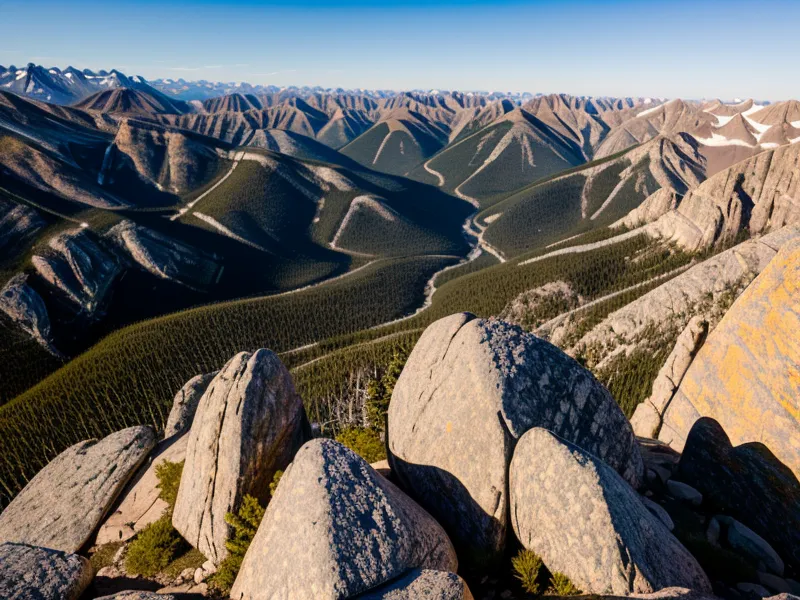
If that same grinding feeling in your knees has you eyeing the couch instead of the trailhead, don't just wait it out — it tends not to resolve on its own. Try the poles first. Look at something like Joint Genesis if the internal-support route makes sense for your routine. Then get back out there, even if it's a mile at Borderland instead of the full loop you used to do. A short mile still beats a long afternoon on the sofa.