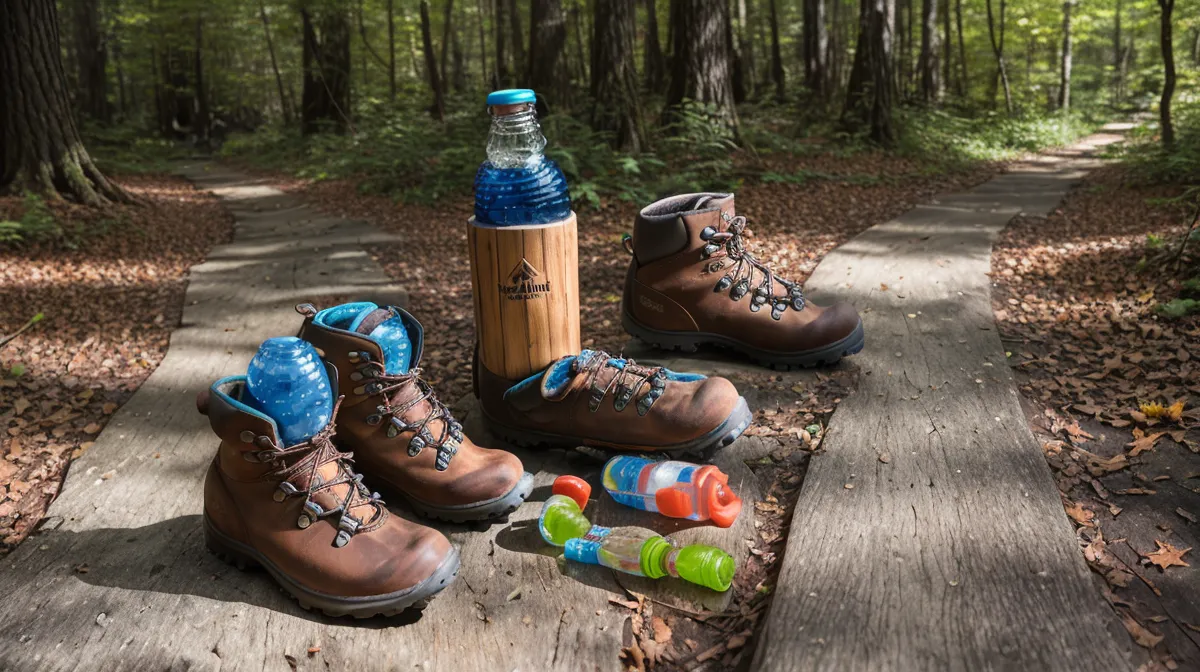
Everyone selling knee stability advice tells you to strengthen your quads; mine got stronger, and my knees got worse anyway. Heavier squats and leg extensions ground my kneecap tighter into a track that was already irritated, and I ended up worse off, not better. That's the myth this piece is here to correct: quad strength alone doesn't build real knee stability, especially once you're trying to stay active after 50 with joints that don't forgive the way they used to. If you've tried home exercise routines and gotten nowhere, you probably had the wrong target the whole time, not the wrong effort.
Here's what changed things for me: I stopped chasing quad strength and looked at my hips instead. The knee sits in the middle of a rope pull between the hip above it and the ankle below it, and mine had been getting yanked around by a hip that had gone quiet after years behind a desk job. That's the desk-to-trail problem in miniature: eight hours in an office chair doesn't prepare your hips for a single mile of uneven ground, and closing that gap does more than any quad exercise ever will. My knees weren't broken. They were just under-supported, and figuring that out sent me toward exercises for stiff knees after sitting at a desk before I ever touched a squat rack again.
Why Your Hips Run the Show, Not Your Quads
Look, the quad-strengthening advice isn't wrong because quads don't matter. It's wrong because it treats the knee like an isolated hinge instead of the middle link in a chain. Weak hip abductors and a sleepy gluteus medius let the knee drift inward with every step, and no amount of leg-extension work fixes a tracking problem that starts higher up. Once I started training the hip instead of hammering the front of my thigh, the ache that used to show up on every descent started backing off.
That grinding, gritty feeling under the kneecap isn't just in your head, either — it's partly the joint's own synovial fluid not doing its job the way it should, which is a bigger topic than I can get into here. What changed was noticeable on a loose-gravel descent at Moose Hill Wildlife Sanctuary: I turned to check the trail behind me without thinking, and there was no pause, no reaching for the rough bark of the nearest oak to steady myself. My knee just held the turn. That's the kind of moment that tells you hip work is doing something quad work never did.
Mobility Tips for Building Stability at Home
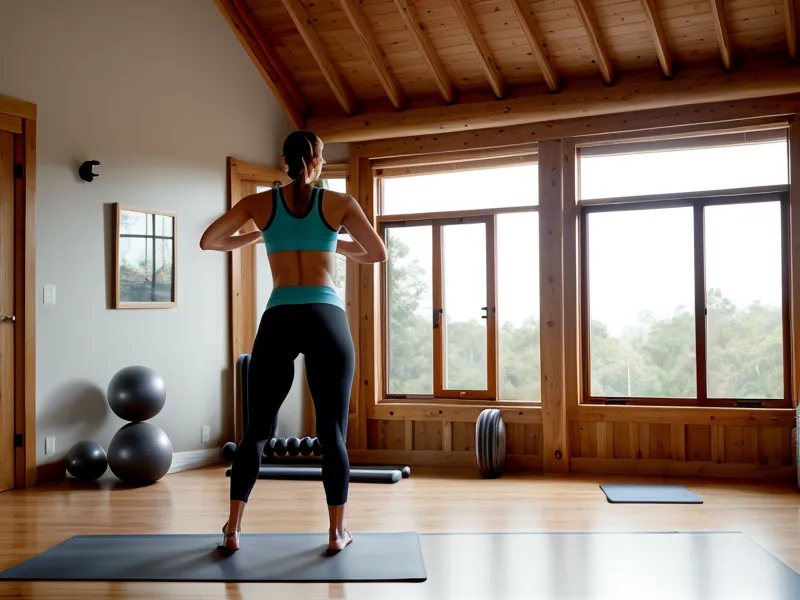
None of this requires a gym membership or a corner of the house dedicated to fitness equipment. My whole setup is a strip of floor space, a resistance band, and the bottom step of my staircase. Glute bridges come first, every time, because strong glutes take real load off the knee; not because anyone needs a tighter backside at 54. Side-lying leg lifts come next, aimed at the hip abductors that keep your knee from caving inward on a downhill stretch. Step-downs off the bottom stair mimic the hardest part of hiking, slow and controlled, and they're one of the best ways to prevent knee pain when hiking downhill that I've found. Single-leg balancing while the microwave runs keeps the smaller stabilizers from going quiet again.
Some of that balance work is really about waking the nerve signals that run down the front of the thigh, which is a deeper topic than I'll get into here. It's not about sweating through a HIIT class — it's about teaching muscles that went dormant behind a desk to fire again, in order, every time you step down off a curb or a rock. Consistency beats intensity by a wide margin. Twenty minutes most days does more for a wobbly knee than one brutal hour on a Sunday.
Custom Orthotics Never Fixed the Real Problem
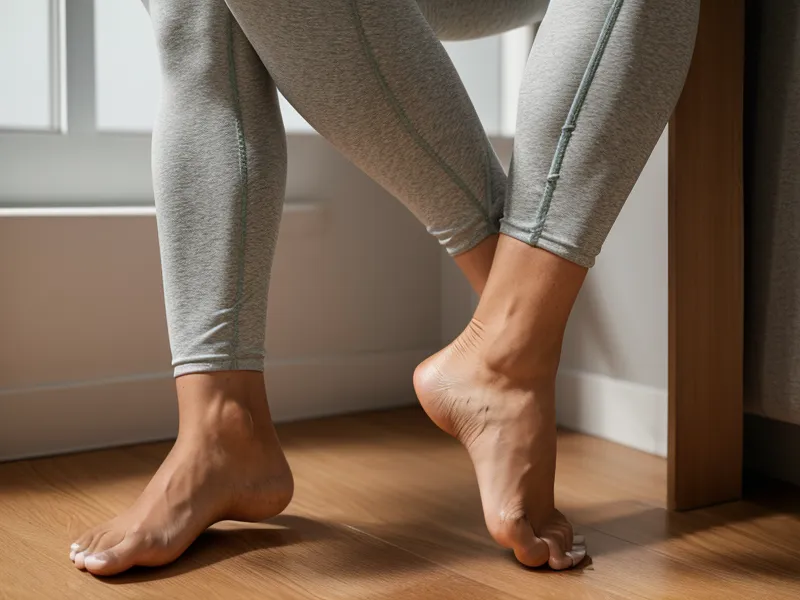
Custom orthotics were the first thing I tried, molded to my feet by someone convinced the problem started at the ground and traveled up. They didn't touch the instability. My arches got new support and my knee kept buckling on the same downhill sections, because the actual problem was never in my feet — it was in hips that weren't holding their end of the job. That was an expensive lesson in aiming at the wrong joint.
Here is the thing about that experience: orthotics might genuinely help if your problem actually starts at the foot. Mine didn't, and no amount of arch support was ever going to fix a hip that wasn't firing. It also didn't help that I was hiking in boots whose midsoles had long since stopped cushioning anything, which is its own gear problem worth its own article. Stability has to be built into the joint chain itself, not bought as an insert.
My friend Kathleen from the Wednesday walking group already wants to know the exact order to take her joint supplements. Different article. This one's about the muscles doing the actual holding, not what's in your cabinet.

When Hip Work Isn't the Whole Fix
Hip and glute work isn't magic, and I want to be straight about that. My longtime hiking partner Maureen still lobbies for the longer loop every Saturday, even when her hip clearly isn't on board, and no home routine erases that kind of stubbornness. What hip-focused stability work does is remove unnecessary stress — the kind caused by weak support, not the kind that just comes from being an active person with real mileage on her joints. I miss the version of hiking where I didn't think about any of this — just laced up and went. That version isn't coming back, but this one still gets me on the trail.
Trekking poles are the other piece I underestimated for years, mostly out of pride. Once I actually started using them, why trekking poles for bad knees changed my weekend hiking routine stopped being a mystery, and that's a longer story for another time. What I'll say here is that the poles work with the hips, not instead of them.
So here's the corrected version of that advice: don't skip quad work, but stop treating it as the whole plan. Build the hips and glutes first, add trekking poles for the descents, and save the orthotics conversation for a problem that's actually in your feet. Stability doesn't come from one exercise or one purchase — it comes from getting the load distributed correctly through the whole chain, from your hip down to the trail under your boot. That's the fix nobody sells you, because it's mostly just consistent effort in a strip of floor space at home.