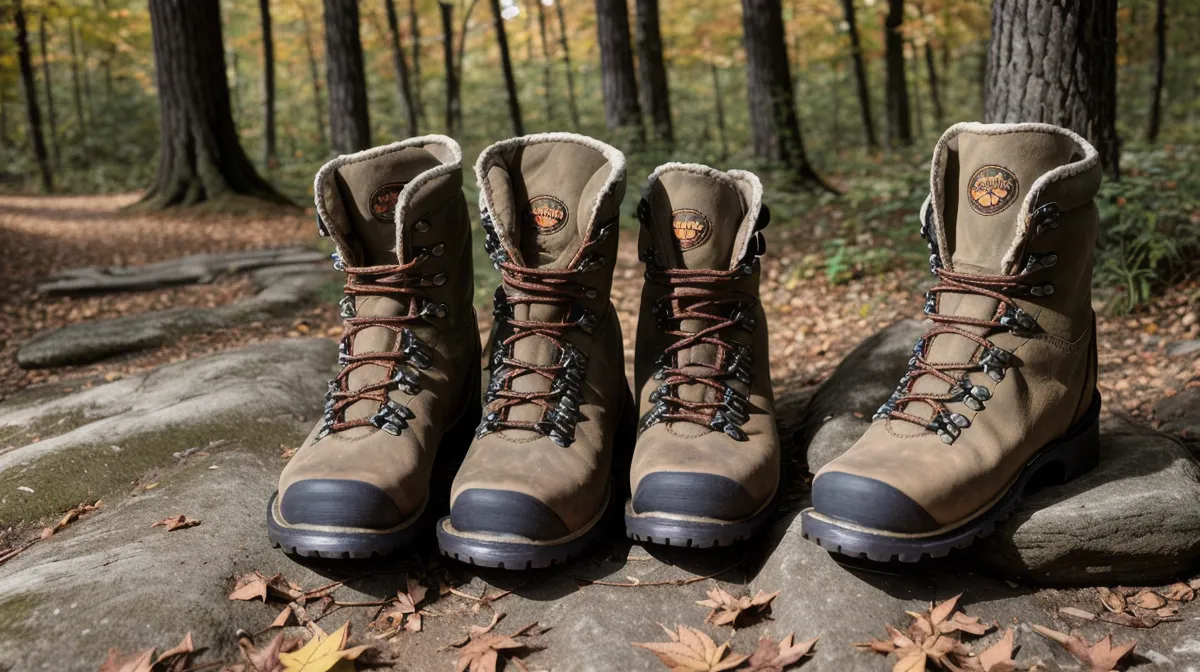
Late last September, I found myself standing at the base of the Blue Hills trailhead, just a short drive from my home outside Boston. The air was that perfect kind of crispâthe kind that usually makes you want to charge up the ridge. But instead of moving, I was just... standing there. I was massaging a dull, persistent ache in my left hip and watching hikers half my age trot upward like mountain goats. I felt like a rusted-out station wagon parked next to a fleet of Ferraris. It was one of those moments where you seriously wonder if your mountain days are officially over.
Look, I spent a good year in total denial before that morning. I treated ibuprofen like it was a basic food group and told myself that âpushing throughâ was a personality trait rather than a fast track to a total hip replacement. But the truth is, when youâre 54 and youâve been pounding the trails for twenty years, the math starts to change. My mid-week routineâor lack thereofâwas finally catching up to my weekend ambitions. I realized if I wanted to keep seeing the view from the top, I had to stop acting like my joints were made of indestructible carbon fiber.
The Realization: Why Hiking Alone Isn't Enough Anymore
Hereâs the thing about hiking: itâs brutal on the descent. We all love the climb, but hiking downhill can load your joints with three to four times your body weight with every single step. For years, I just took it for granted that my knees would handle it. But as we age, specifically after the age when muscle mass loss typically beginsâwhich, depressing as it is, is around 30 years oldâthose muscles that act as shock absorbers start to thin out.
I realized I was asking my skeleton to do the work my muscles used to do. That gray morning in January, when the slush in suburban Boston was too gross to even walk the dog, I finally walked into the local YMCA. I wasn't there to join a hardcore boot camp. I was there because I needed to figure out how to stay trail-ready without actually being on the trail every day. I needed low-impact cross-training, even if the idea of 'indoor' exercise made me want to roll my eyes.

The Pool: Swapping Pavement for Buoyancy
Iâll be honest: I haven't worn a competitive swimsuit since high school, and the lighting in gym locker rooms is nobodyâs friend. But the water is different. Did you know the density of water compared to air is about 800 times greater? That means youâre getting resistance in every direction without a single ounce of impact on your cartilage. Itâs like moving through a giant, supportive hug.
I started with basic laps in the standard short course competition pool length of 25 yards. At first, I felt ridiculous. Iâm a hiker, not a fish. But then I noticed something. There was this sensory shiftâthe muffled, rhythmic thumping of my own heartbeat underwater in the pool, replacing the usual grinding sound of my knee. It was the first time in months I felt completely weightless and pain-free while moving.
Swimming or even water aerobics helps produce synovial fluid, which is basically the WD-40 for your joints. The rhythmic movement helps circulate that fluid, lubricating the hinges that usually feel like theyâre filled with sand. Iâm not a doctor or a physical therapistâjust a woman whoâs spent too much time in the 'joint health' aisle of the pharmacyâbut I can tell you that two mornings a week in the pool made my Saturday treks feel significantly less 'grind-y.'
The Elliptical: The Hiker's Best Friend (Begrudgingly)
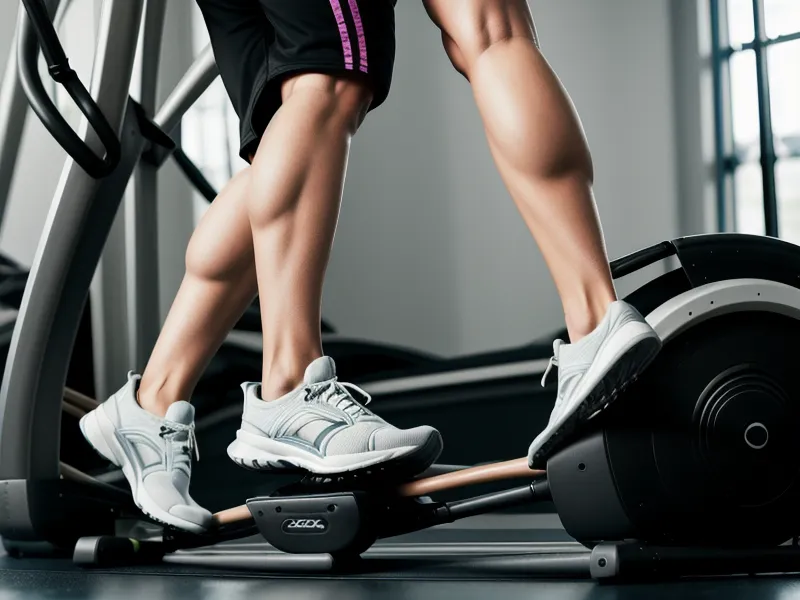
I used to call the elliptical the 'dreadmillâs' slightly less annoying cousin. I hated the idea of stationary movement. But after about two months of consistency, something changed. I started using the elliptical on a high incline to mimic the climb of a trail but without the jarring impact of my heel hitting granite.
There is a specific feeling you get after a good sessionâthat strange, tingling warmth in my calves after a twenty-minute elliptical session that didn't leave my hips feeling like rusted hinges. Itâs a different kind of tired. Itâs a 'my muscles worked' tired, not a 'my bones are screaming' tired. By early April, I noticed that my recovery time after a hike had dropped from three days of hobbling to maybe one afternoon of stiffness. It was a revelation. I even started adapting to the trail by choosing shorter, steeper bursts during the week to keep my heart rate up.
The Contrarian Truth: Why Just 'Low Impact' Isn't Enough
Now, here is where I might lose some people, but itâs the most important thing Iâve learned this year. Most people tell you that if your joints hurt, you should only do 'gentle' things. Walk on flat ground, swim, maybe some light stretching. But look, focusing exclusively on low-impact cardio often leads to muscle atrophy. If you don't have strong muscles to support the joint, the joint is going to take the hit no matter how 'low impact' the exercise is.
I found that incorporating controlled, high-load resistance training is actually safer for preserving joint integrity than just doing cardio. Iâm talking about slow, deliberate squats and lungesâsometimes with weights, sometimes just with a resistance band. You have to build the 'armor' around the joint. If my quads and glutes are strong, they take the brunt of the force when Iâm stepping down off a boulder. If theyâre weak because Iâve only been swimming, my knees are going to pay the price. It's a delicate balance, and you should definitely talk to your own doctor or a trainer before you start tossing heavy kettlebells around, but don't be afraid of a little resistance.
Yoga and the Art of Not Falling Over
Balance is the first thing to go, isn't it? One minute you're hopping over a stream, the next you're wobbling like a toddler. I added a Thursday yoga session to my routine, and while Iâm still the least flexible person in the room, itâs helped my trail stability immensely. Itâs not just about stretching; itâs about those tiny stabilizer muscles in the ankles and feet that hikers rely on.
I've also been a lot more diligent about what I'm putting in my body to support all this new movement. I wrote about my honest three-month experience with JointVive recently, and honestly, combining the right support with this new movement routine has been the winning combo for me. Itâs not a magic pillânothing isâbut it feels like Iâm finally giving my body the tools it needs to actually repair itself after I push it.
Consistency Over Intensity
The hardest part of this whole transition wasn't the exercises themselves; it was the ego check. I had to accept that I couldn't just 'weekend warrior' my way through life anymore. My body requires a maintenance schedule now, much like my old Volvo. If I skip the pool and the resistance work for a week, I feel it in my hips by the second mile of a hike.
I used to feel like cross-training was a sign of defeat, like I was admitting I couldn't handle the 'real' stuff anymore. But thatâs just the frustration of aging talking. Now, I see it as the strategy that keeps me on the trail without the post-hike limp. Iâd rather spend forty minutes on an elliptical on a Tuesday if it means I can still see the sunrise from a summit on Saturday.
If your knees are starting to bark at you, don't just hang up the boots. Change the plan. Maybe start by finding a 25-yard pool and just moving. You don't have to be fast; you just have to be consistent. Your joints will thank you, and the trails aren't going anywhere.
Look, Iâm still figuring this out. Some weeks my hip still aches, and some days Iâd much rather stay on the couch with a book and a heating pad. But then I think about that view at the top of the Blue Hillsâthe way the Boston skyline looks in the distance when the sun is hitting it just rightâand I realize the extra work is worth it. We aren't old; weâre just 'high maintenance' now. And thereâs nothing wrong with that.